

TLDR
No, spirulina does not cause constipation for most people, and the research points the other way. Spirulina is a blue-green algae, and the gut studies so far suggest it tends to support digestion rather than slow it down.
- In a 2019 mouse study, an isolated spirulina polysaccharide increased defecation frequency and reduced gut inflammation markers (Ma et al. 2019).
- Animal research shows spirulina shifting the gut microbiota toward bacteria like Akkermansia and Lactobacillus, though direct human evidence is still thin (Yu et al. 2020).
- Mild stomach upset can happen when starting any new supplement, usually at higher doses or with lower-quality products. Typical study doses run from 1 to 8 grams of dried spirulina per day.
Next step: If powdered spirulina has bothered your stomach before, the form you choose may matter more than the algae itself.
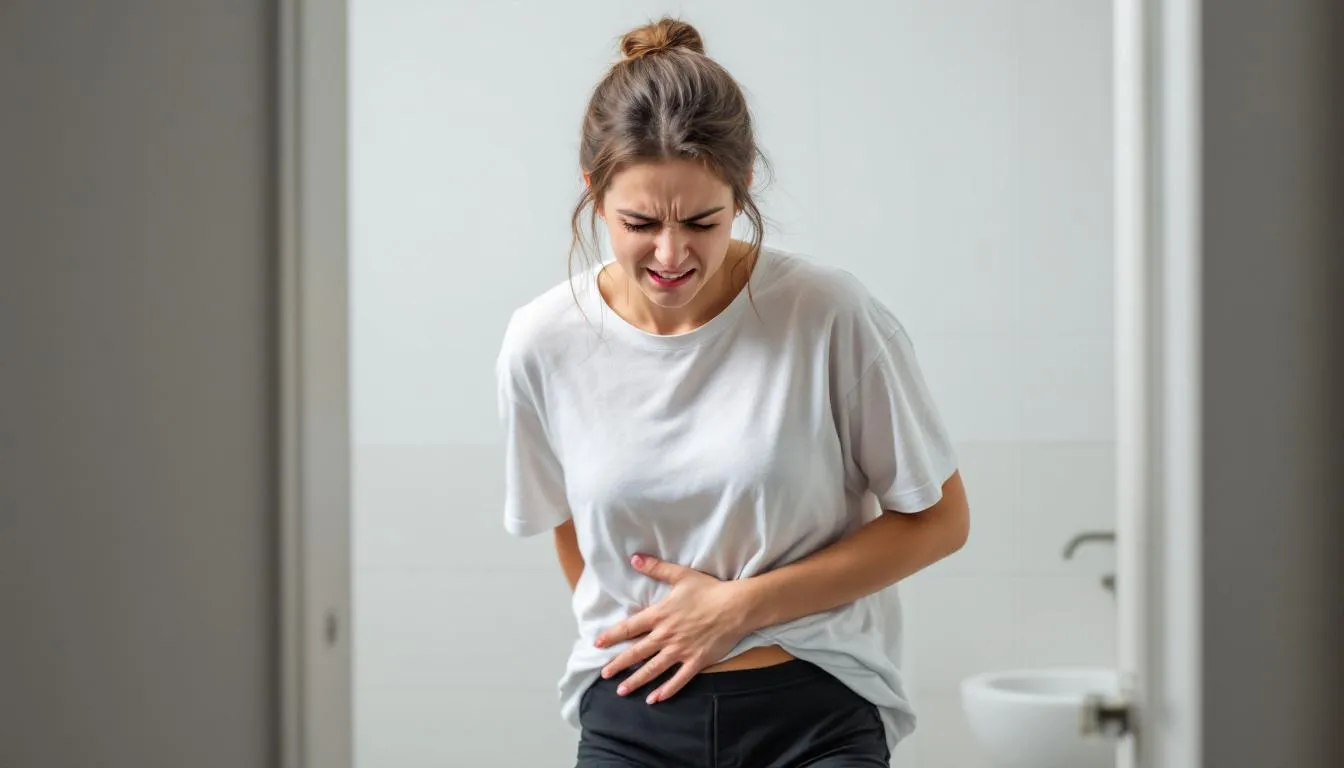
Can spirulina cause constipation?
For most people, no. The worry usually comes from isolated anecdotes online rather than from the research. In controlled animal studies, spirulina has been associated with the opposite effect.
In a mouse model of drug-induced constipation, a water-soluble polysaccharide isolated from Spirulina platensis increased defecation frequency, shortened the time to first stool, and reduced gut nitric oxide by 30 to 40 percent (Ma et al. 2019). That study used a purified polysaccharide fraction in mice, not whole spirulina in people, so it reads as encouraging mechanism evidence rather than proof that spirulina treats constipation in humans.
The honest summary is simple. There is no good evidence that spirulina causes constipation, and the early evidence leans toward it helping regularity.
How does spirulina affect digestion?
Spirulina is a microscopic blue-green algae with a dense profile of amino acids, vitamins, minerals, and antioxidant compounds. Its digestive effects appear to run mostly through the gut microbiota.
In rats fed a high-fat diet, adding spirulina restored gut barrier proteins, lowered circulating markers of low-grade inflammation, and shifted the microbiota toward a leaner profile (Yu et al. 2020). A 2024 review of preclinical work reached a similar directional conclusion, while noting the field is still early and human trials are lacking (Guan et al. 2024).
Researchers have also proposed spirulina polysaccharides as prebiotic substrates, fermentable fibers that feed beneficial bacteria such as Bifidobacterium and Lactobacillus, though most of that data comes from cell and food-matrix studies rather than human trials (Patel et al. 2021). Taken together, the gut research is promising and consistent, but it sits mostly in animals and cells for now.
Does the type of spirulina matter for your gut?
The form you take can change how your stomach responds. Most people meet spirulina as a dried powder, tablet, or capsule. Drying, often by spray-drying at high temperatures, is part of what turns fresh algae into a shelf-stable powder.
Fresh frozen spirulina, like the pods we make at We Are The New Farmers, is flash-frozen soon after harvest rather than dried, so the cells stay intact and the algae keeps its mild taste and full water content. For people who found powder harsh on the stomach, a fresh frozen format is often a smoother starting point.
Quality matters too. New Farmers spirulina is grown in a controlled, vertically integrated system and third-party tested for heavy metals and microcystin, the contaminants that can show up in lower-quality, open-pond spirulina. If you want to compare formats and quality markers in more depth, our fresh versus powder breakdown and our guide to choosing a quality spirulina both go deeper.
What else does spirulina do for health?
Gut support is one piece of a broader picture. The strongest human gut-related evidence comes from a trial in adults with mild-to-moderate ulcerative colitis, where 1 gram per day for 8 weeks improved sleep disturbances, perceived stress, and quality of life (Moradi et al. 2021). That trial did not measure inflammation directly, so the takeaway is about quality of life rather than a proven anti-inflammatory effect.
Spirulina is also a practical protein and micronutrient source for people eating plant-forward, since it delivers a complete amino acid profile in a small serving. For a fuller rundown of where the evidence is strong and where it is thin, the complete evidence-based guide to spirulina benefits covers the rest.
What are the side effects of spirulina?
Spirulina is generally well tolerated, and side effects are usually mild. Some people notice a little stomach upset when they first start, especially at higher doses or with lower-quality products.
A few groups should be cautious. People with phenylketonuria need to account for spirulina's phenylalanine content, and anyone with an autoimmune condition, kidney disease, or who takes blood thinners should check with a healthcare provider first. If your gut reacts to a powdered product, the issue is often the format or the quality rather than spirulina itself. Our honest guide to spirulina dangers walks through the real risks and how to avoid them.
How much spirulina should you take?
There is no single official dose. Human studies commonly use between 1 and 8 grams of dried spirulina per day, and the ulcerative colitis trial above used just 1 gram daily (Moradi et al. 2021).
If you are new to it, start small and watch how your body responds. One fresh frozen pod is an easy daily baseline, and you can build from there once you know it sits well.
Frequently asked questions
Does spirulina give you constipation?
No. There is no good evidence that spirulina causes constipation. In a mouse study, an isolated spirulina polysaccharide actually increased defecation frequency and eased constipation symptoms (Ma et al. 2019).
Does spirulina make you poop?
It can support regularity rather than block it. Animal research links spirulina to a healthier gut microbiota and better stool frequency, though the human evidence is still developing (Ma et al. 2019; Yu et al. 2020).
Does spirulina clean your gut?
Indirectly. In animal and cell studies, spirulina helps shift the gut microbiota toward beneficial bacteria and supports the gut lining, which may help digestion over time (Yu et al. 2020; Guan et al. 2024).
What happens if you take spirulina every day?
Most people tolerate daily spirulina well at typical doses. In one human trial, 1 gram a day for 8 weeks improved sleep and quality of life in people with ulcerative colitis, with no serious side effects reported (Moradi et al. 2021).
References
[1] Ma, H. et al. (2019). Polysaccharide from Spirulina platensis ameliorates diphenoxylate-induced constipation symptoms in mice. International Journal of Biological Macromolecules. https://doi.org/10.1016/j.ijbiomac.2019.04.209
[2] Yu, T. et al. (2020). Spirulina platensis alleviates chronic inflammation with modulation of gut microbiota and intestinal permeability in rats fed a high-fat diet. Journal of Cellular and Molecular Medicine. https://doi.org/10.1111/jcmm.15489
[3] Guan, F. et al. (2024). Spirulina polysaccharide-based prebiotic foods preparations. Journal of Functional Foods. https://doi.org/10.1016/j.jff.2024.106158
[4] Patel, A. K. et al. (2021). Emerging prospects of macro- and microalgae as prebiotic. Microbial Cell Factories. https://doi.org/10.1186/s12934-021-01601-7
[5] Moradi, S. et al. (2021). Effects of spirulina supplementation on sleep, mood, fatigue, and quality of life in ulcerative colitis: a randomised, double-blinded, placebo-controlled trial. International Journal of Clinical Practice. https://doi.org/10.1111/ijcp.14472